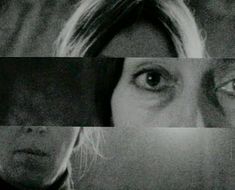
Dóra Maurer
Dóra Maurer was born in Budapest, Hungary, in 1937. From 1955 to 1961, she studied at the Academy of Fine Arts in Budapest. In 1967, she received a working scholarship in Vienna, where she has lived intermittently ever since and traveled to Western European countries. From 1987 to 1991, she was a visiting professor at the Academy of Fine Arts in Vienna, and from 2003 she held a professorship there. From 1975 to 1977, she and Miklós Erdély led an art education course at the Ganz MÁVAG Cultural Center in Budapest. From 1990 to 2007, she was first a lecturer and then, from 2003 to 2007, a professor at the Hungarian Academy of Arts in Budapest. Between 1999 and 2002, she was awarded a Széchenyi professorship scholarship by the Hungarian Ministry of Culture. In 2003, she was awarded the prestigious Hungarian Kossuth State Prize. In 2013, she received the Peter C. Ruppert Prize for Concrete Art in Europe. Dóra Maurer lived in Vienna and Budapest, where she died in 2026.
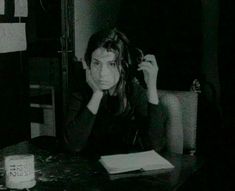
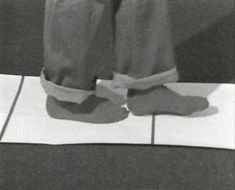
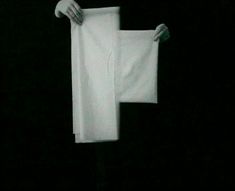
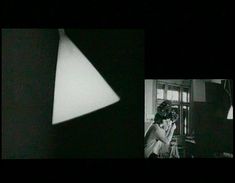
Maurer is considered one of the most important Hungarian artists of the post-World War II era. The artist worked conceptually and multimedially with printmaking, painting, and photography, and was intensively engaged with the new possibilities of experimental film. She systematically examined questions of movement and forms of seriality and addressed the relativity of perception. Her videos, in which she appears herself, have a performative character. Her experimental arrangements seem logically calculated. The movement patterns are based on precise temporal sequences and are characterized by repetition, variation, and random shifts. Through her teaching, Maurer influenced several generations of artists.
read more read less